CLARITY. ORGANIZATION. PREPARATION. PEACE OF MIND.
Legacy Planning Education
Prepare More Than Assets.
A Legacy Plan Should Help Your Family Know
What Exists, What You Intended, and What
Happens Next.
Education first. Clear conversations. No pressure.


Organize
Gather and organize what matters—documents, accounts, and information in one place.

Protect
Use the right legal tools and designations to protect your loved ones and your wishes.

Communicate
Share your values, intentions, and plan with your family in a clear and compassionate way.
Coordinate
Align documents, beneficiaries, and professionals so everything works together.
Prepare
Empower your family with clarity today so they can have confidence tomorrow.
1. Start With Organization
Organization is the foundation of a strong plan.
- Accounts & Statements
- Insurance Policies
- Property & Assets
- Professional contacts
- Legal Documents & Agreements
2. Will vs. Trust
A quick guide to the basics.
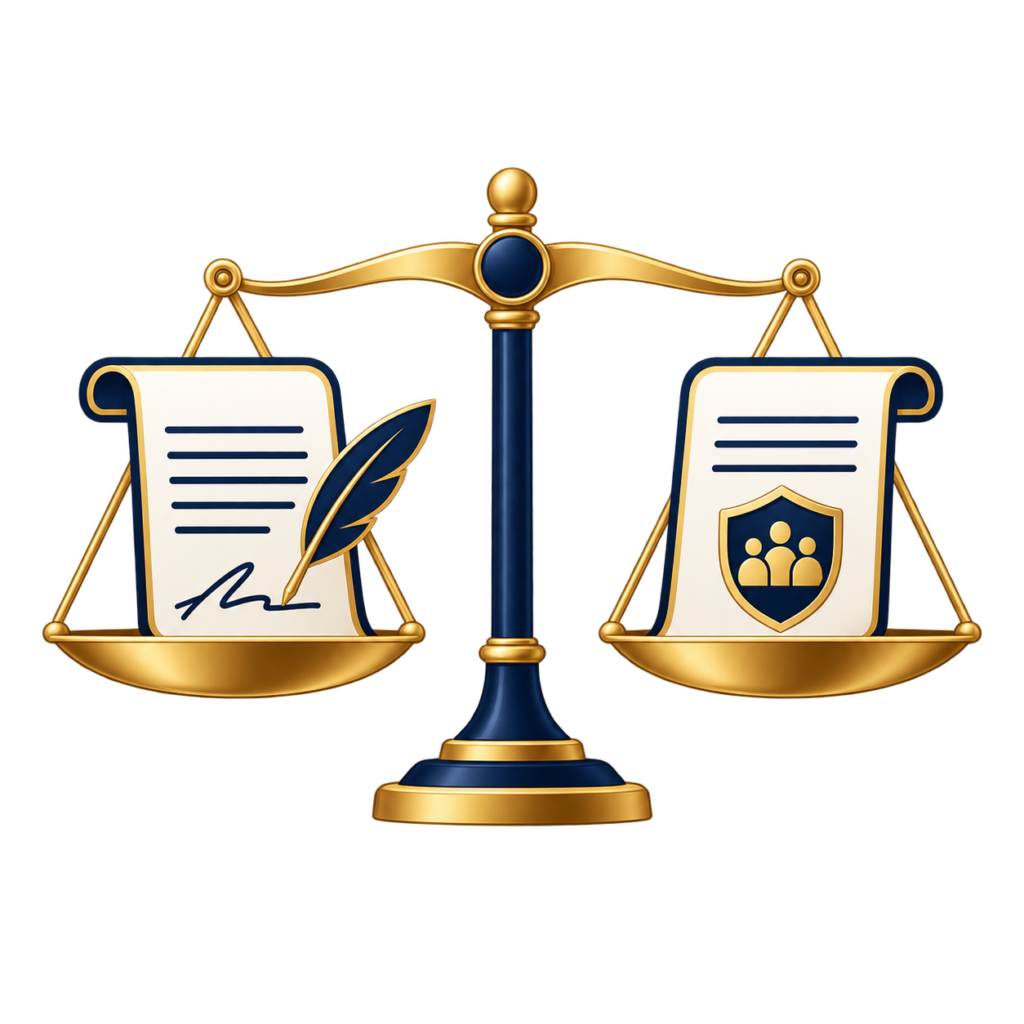
Will
- Goes through probate
- Public record
- Names guardians
- One-time process
- May take longer
Both can be important. The right choice depends on your goals and family.
Trust
- Avoids probate
- Private
- Can manage without court
- Ongoing management
- Often faster administration
3. Beneficiaries Matter
Review your beneficiaries regularly.

- Retirement Accounts
- Life Insurance
- Annuities
- Bank & Brokerage Accounts
- Payable-on-Death Accounts
- Business Interests
Beneficiaries override many documents. Keep them accurate and aligned with your wishes.
4. Minor Children & Family
Plan now to protect your children and empower your family.

- Name Guardians
- Who Manages Assets
- Education & Values
- Family Readiness Plan
5. Incapacity Planning
Plan for the unexpected so your wishes are honored.
Power of Attorney
Designate someone you trust to make financial decisions on your behalf.
- Financial decisions
- Banking & investments
- Bills & obligations
Legal documents should be prepared with the guidance of qualified professionals.
Health Care Proxy
Appoint someone to make health care decisions if you cannot.
- Medical decisions
- Doctors & hospitals
- Your values, honored
6. Family Communication
Conversation builds confidence.

Family Legacy Meeting Agenda
- Share your values & priorities
- Explain key documents & decisions
- Answer questions & concerns
- Build trust and reduce stress
Open conversations today bring peace of mind for years to come.
7. Legacy Readiness Check
Use this checklist to review where you stand.
Organization
- Important docs collected
- Accounts listed
- Password access plan
Beneficiaries
- All accounts reviewed
- Up-to-date
- Aligned with wishes
Legal Planning
- Will or Trust in place
- POA completed
- Key docs stored safely
Health-Care Prep
- Health care proxy
- Living will
- Medical preferences
Review annually or after major life changes.
Family
- Family meeting held
- Roles defined
- Plan shared
Children
- Guardians named
- Asset managers named
- Education plan
Legacy
- Values documented
- Letters planned
- Philanthropy goals

Meet Nataline
Education. Experience. Compassion.
I am passionate about helping individuals and families create legacy plans that reflect their values, protect their loved ones, and inspire confidence for generations.
Education first. Family Focused. Long-Term Thinking. Faith & Stewardship
Frequently Asked Questions
Do I need a trust to have a legacy plan?
No. A trust is only one possible part of a legacy plan. A thoughtful legacy plan can also include beneficiary designations, a will, powers of attorney, health-care directives, insurance, organized financial records, and clear family communication. Whether a trust is appropriate depends on your goals, assets, family situation, and the guidance of a qualified estate-planning attorney.
What is the difference between a will and a trust?
A will generally provides instructions for how certain assets should be handled after death and can also name guardians for minor children. A trust is a separate legal arrangement that can hold and manage assets according to specific instructions, sometimes during your lifetime as well as after death. The right choice depends on your circumstances, and some families may use both as part of a broader estate plan.
Why should I review my beneficiaries if I already have a will or trust?
Because many financial accounts and insurance policies pass according to the beneficiary designation on file. Those designations may operate separately from instructions in a will, so outdated beneficiaries can create unintended results. Reviewing beneficiaries after major life events—such as marriage, divorce, birth, death, or significant financial changes—can help keep your overall plan aligned with your wishes.
What should parents of minor children consider when preparing their legacy?
Parents may want to consider who should care for their children, who would manage assets on their behalf, how insurance and other financial resources are structured, and what values or guidance they want to pass along. It is also important to organize key information and discuss the appropriate legal documents with a qualified attorney so the family has a clear plan if something unexpected happens.
Do you provide legal or estate-planning advice?
No. Legacy Builders LD provides financial education, organization guidance, and legacy-planning education. I do not draft legal documents or provide individualized legal, tax, or estate-planning advice. When legal decisions or documents are needed, I encourage clients to work with an appropriately qualified attorney, tax professional, or other specialist.
Still have a question?
View All FAQs

Leave clarity—not confusion.
Start the conversation today so your family can feel confident tomorrow.